Renting Out a Vacation Home
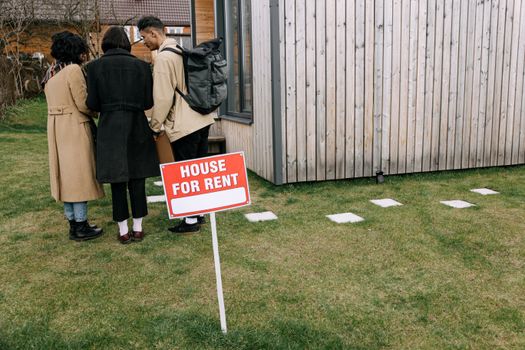
Renting Out a Vacation Home: Unlocking Vacation Rental Income Potential
Generating vacation rental income potential through short-term rentals like Airbnb is a proven way to build passive income through real estate. According to Airbnb’s 2022 report, hosts earned an average of $14,000 annually per listing, with top-performing properties exceeding $100,000/year. This guide breaks down the financials, setup process, and scaling strategies for maximizing returns.
Initial Investment Costs
The upfront costs for a vacation rental property vary significantly by location. The National Association of Realtors (2022) reports median home prices for popular short-term rental markets:
| Location | Median Home Price | Renovation Costs (per sq. ft.) | Furnishing Costs |
|---|---|---|---|
| Orlando, FL | $375,000 | $50-$100 | $15,000-$30,000 |
| Asheville, NC | $425,000 | $75-$125 | $20,000-$35,000 |
| Park City, UT | $1.2M | $100-$150 | $30,000-$50,000 |
Relacionado: Monthly Budget Template for $50,000 Income with Categories and Percentages
Key steps to budget accurately:
- Property purchase: Aim for 20-30% down payment to avoid private mortgage insurance (PMI).
- Renovations: Allocate 10-15% of property value for updates (kitchens/bathrooms drive bookings).
- Furnishings: Budget $5,000-$10,000 per bedroom for quality furniture and decor.
Relacionado: Mint App Setup Guide
Time Required for Setup
Setting up a vacation rental takes 3-6 months from purchase to first booking, per the Property Management Association (2020). Here’s the breakdown:
- Property preparation (4-8 weeks): Deep cleaning, repairs, and safety inspections (e.g., installing smart locks).
- Furnishing/staging (2-4 weeks): Hire a designer or use services like Vacation Rental Management Book by Heather Bayer en Amazon for DIY tips.
- Listing optimization (1-2 weeks): Professional photos ($200-$500) and SEO-friendly descriptions increase bookings by 24% (Airbnb, 2022).
Pro tip: Outsource cleaning and maintenance to local companies ($150-$300/month) to save 10+ hours weekly.
Expected Monthly Return
Vacation rental income depends on location, seasonality, and property type. Data from Airbnb (2022) shows:
- Beachfront properties: Average $250-$400/night, 75% occupancy = $5,600-$9,000 monthly gross.
- Urban condos: Average $150-$250/night, 65% occupancy = $2,900-$4,900 monthly gross.
Expenses to deduct (30-50% of revenue):
- Mortgage: $1,500-$3,000
- Utilities/cleaning: $500-$1,200
- Property management: 10-20% of revenue
Tax Benefits and Deductions
The IRS Publication 527 (2022) allows vacation rental owners to deduct:
- Mortgage interest: Up to $750,000 in loan interest.
- Depreciation: 3.636% annually over 27.5 years.
- Operating expenses: Cleaning, repairs, and even travel to manage the property.
Example: A $300,000 property generating $40,000/year could yield $12,000 in annual deductions.
Risks and Challenges
Per the Vacation Rental Managers Association (2020), top risks include:
- Property damage: 1 in 5 guests cause minor damage (average repair cost: $500).
- Regulatory changes: Cities like Austin, TX, require $500 annual permits for short-term rentals.
- Seasonal dips: Mountain towns see 40-60% lower income in summer vs. winter.
Mitigation strategies:
- Require $1M liability insurance ($500/year).
- Use dynamic pricing tools (e.g., PriceLabs) to adjust rates daily.
Scaling Your Vacation Rental Business
Top hosts manage 5+ properties with systems from Vacation Rental World (2022):
- Automate bookings: Tools like Hostfully ($49/month) sync calendars across platforms.
- Hire regional managers: Pay 10-15% of revenue for local teams to handle turnovers.
- Diversify locations: Own properties in 2-3 markets to offset seasonal risks.
Frequently Asked Questions
How much can I make from a vacation rental?
The average vacation rental generates $20,000-$60,000 annually (Airbnb, 2022). High-demand areas like Miami Beach average $75,000+ with 80% occupancy.
Is Airbnb or VRBO better for rentals?
Airbnb has higher traffic (75M users), but VRBO attracts longer stays (7+ nights). List on both for maximum exposure.
What’s the 80/20 rule for vacation rentals?
80% of your revenue comes from 20% of bookings (peak seasons/holidays). Optimize pricing for these periods.
How do I handle noisy guests?
Install noise sensors ($99/unit) like Minut and set clear house rules (e.g., no parties).
Are vacation rentals passive income?
They require 5-10 hours/week/property for management. Outsourcing reduces this to 2-3 hours.
My Take
As someone who owns a lakeside cabin in Wisconsin, I learned that local partnerships are key. My first year, I spent 20 hours/week managing cleaners and repairs. Now, I work with a neighbor who handles turnovers for 15% of revenue, freeing me to focus on scaling. The Vacation Rental Management Book by Heather Bayer en Amazon was my bible for tax strategies—like deducting my kayaks as “guest amenities.”
Another lesson? Start small. My $8,000 studio condo in Indianapolis outperforms my cabin with half the hassle. Test one property before expanding.
You might also like
- How to earn $1,500/month with vending machines
- Credit card debt payoff plan for $10,000 balance
- Savings Trick for Low Income
- True Cost of a Loan: Calculating Real APR
Practical Summary
- Budget $50,000-$100,000 for down payment + startup costs per property.
- Use dynamic pricing tools to maximize peak-season revenue.
- Deduct mortgage interest, depreciation, and operating costs (IRS Publication 527).
- Outsource cleaning and maintenance to cut management time by 70%.
- Scale to 3+ properties in diverse markets to mitigate seasonal risks.
- Require insurance and noise monitors to protect your investment.
Written by Vladys Z. — App developer and professional chef. Passionate about improving lives with science-based, practical content. Follow me on YouTube.
Sources
- National Association of Realtors (2022). U.S. Home Price Trends.
- Property Management Association (2020). Vacation Rental Setup Guide.
- Airbnb (2022). Host Earnings Report.
- IRS Publication 527 (2022). Rental Property Tax Deductions.
- Vacation Rental Managers Association (2020). Risk Management for Short-Term Rentals.
Related articles

Creating Passive Income with Print on Demand
Learn how to earn $1,000/month with print on demand products

Automated Investment Platforms for Beginners
Discover top 5 investment apps with low fees, high returns, and minimal risk for beginners.

Earning $40,000 from Peer-to-Peer Lending
Discover how to generate a steady income stream with P2P lending and learn from a real-life success story